
Loading...
Serving State College, PA and surrounding areas. (814) 996-0035
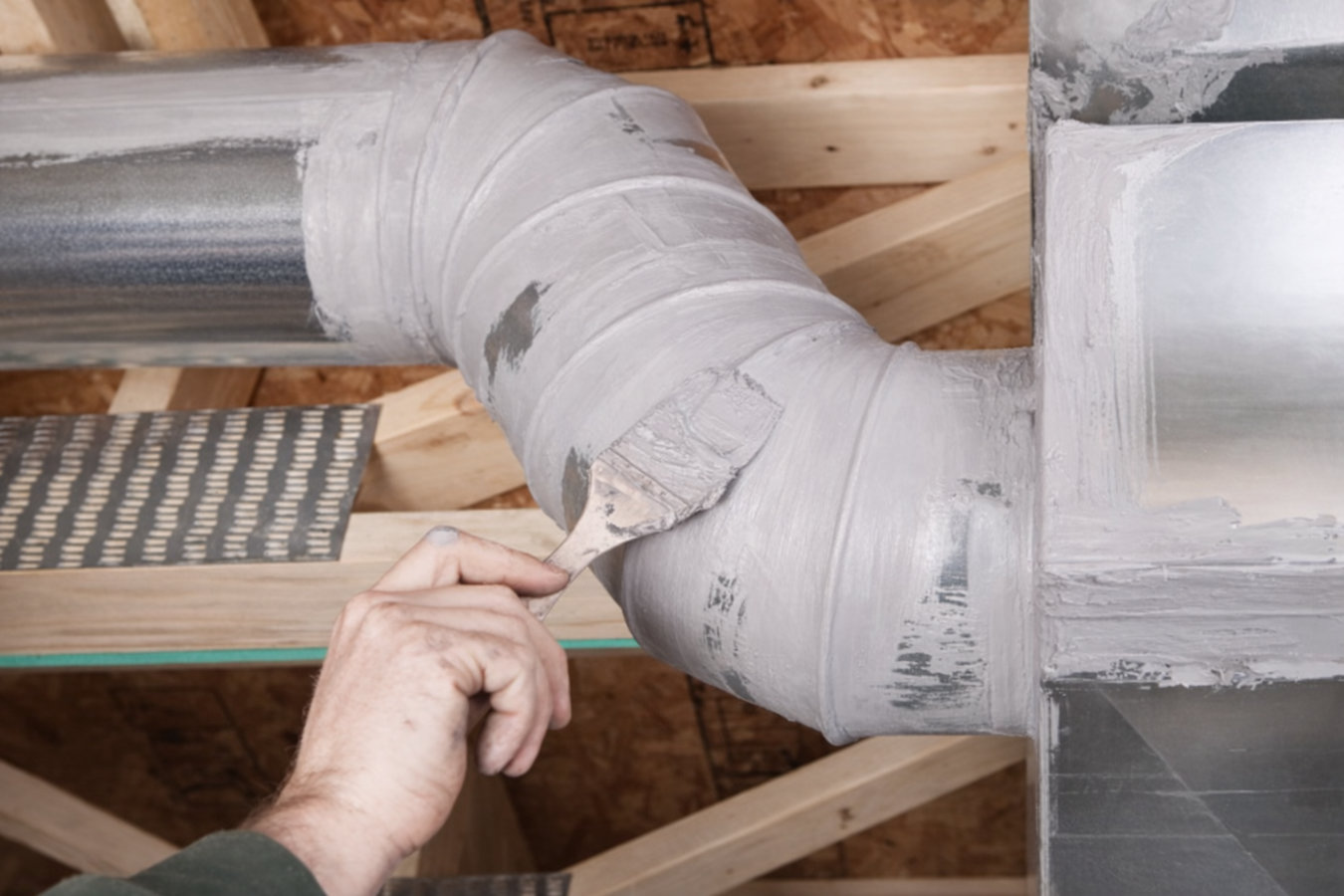
Insulation slows heat transfer, but gaps and cracks let heated air escape entirely. We find those gaps with a diagnostic test and seal them so your home holds heat the way it should.
Air sealing in State College means finding and closing the gaps, cracks, and openings where outside air sneaks in and heated air leaks out - most jobs on a typical single-family home take one to two days and deliver a measurable, testable improvement you can see in numbers. These openings are often invisible: hidden above your ceiling, behind walls, or around pipes and wires. But together they act like a window left open all winter, and in State College where the heating season runs six months, that adds up fast.
A large share of State College homes were built between the 1940s and 1980s to house a growing university community, and air tightness was simply not a priority at the time. Decades of settling, renovations, and utility upgrades have added more gaps on top of what was already there. If your home is more than 30 years old and has never had an energy assessment, there is a high probability it has significant leakage that nobody has addressed.
Air sealing works best when it is combined with proper insulation in the same areas. Many homeowners start with basement insulation and air sealing together, since rim joists are both a major insulation gap and a major air leakage point in older Centre County homes. A free walk-through will show you where to focus first.
If your gas or electric bill during a State College winter seems out of proportion to your square footage or to what neighbors with similar homes pay, air leakage is one of the most common causes. A leaky home can cost significantly more to heat than a well-sealed one of the same size, and that gap widens every year as energy prices rise.
If one bedroom, a room above the garage, or a finished space over a crawl space never reaches the same temperature as the rest of the house, cold air is finding a way in - or warm air is finding a way out - in that part of the home. This is a very common complaint in State College's older homes, where attic bypasses and rim joist gaps are frequently the cause.
Hold your hand near an electrical outlet on an exterior wall on a cold January day. If you feel cool air, that outlet is connected to a gap in the wall that goes all the way to the outside. Drafts near baseboards, around window trim, or at the top of interior doors are the same signal - outside air is moving through your home.
If you saw thick ridges of ice along your roof's edge or icicles forming from the eaves during a cold stretch, warm air from inside your home was escaping through the attic floor and melting snow on the roof. State College winters produce exactly the conditions that cause ice dams in leaky homes. Sealing the attic floor is one of the most effective ways to prevent them from coming back.
We start every air sealing project with a blower door test - a large fan mounted in your front door that depressurizes the house and reveals exactly where air is moving. You may feel drafts in places you never noticed before. The test gives us a map of where the real problems are and a baseline number we can compare against after the work is done. Common sealing locations include the attic floor, basement rim joists, plumbing and electrical penetrations, and gaps around recessed lights. We use spray foam, caulk, and rigid foam board depending on the size and location of each gap.
For homeowners whose homes need both sealing and insulation - which is common in older State College homes - we offer attic air sealing focused specifically on the attic floor, where bypasses around plumbing and wiring account for a large share of total air leakage. We also pair air sealing with basement insulation since rim joists are both a primary insulation gap and a major source of air movement in older homes. Every job ends with a second blower door test so you can see the measurable improvement.
Diagnostic test that reveals exactly where your home is leaking air before and after the work is done.
Seals top plates, plumbing and wiring bypasses, and recessed light gaps that allow heated air to escape into the attic.
Closes the gap between your foundation and floor framing - a primary leakage point in most older homes.
Targets penetrations and gaps in the lower envelope where cold air enters and drives up heating costs.
Addresses outlets, light fixtures, and utility chases in finished living areas where air movement is common.
Combined projects that address both insulation and air movement in the same visit for the best overall result.
State College's heating season runs roughly October through April - about six months of the year when every gap in your home's envelope is costing you money. The valley location traps cold air, January lows regularly drop into the teens, and the frequent freeze-thaw cycles that Centre County winters deliver gradually widen gaps that were once small. Homes here tend to develop new air leakage points faster than homes in more stable climates, which is one reason an energy assessment is worth doing even on a home that was sealed a decade ago. The older housing stock near Penn State's campus makes this especially relevant: homes that have cycled through multiple tenants and owners often have deferred maintenance and utility penetrations that were never properly sealed.
PPL Electric, which serves Centre County, offers rebates for qualifying home performance work including air sealing when paired with insulation. We work throughout the region, including in Lock Haven and Bellefonte, where older housing stock and the same climate conditions create the same set of problems for homeowners every winter.
Call or submit a request online and we will ask a few basic questions - the age of your home, whether you have noticed specific comfort problems, and whether you have had any prior energy work done. We respond within 1 business day and schedule an initial visit. Most contractors in the State College area can get to you within one to two weeks.
On the first visit we set up a blower door in your front doorway, depressurize the house, and walk through to find where air is moving. You will likely feel drafts in places you never noticed before. The test produces a number - your home's air leakage rate - that gives both of us a clear baseline before any work begins. This assessment typically takes two to three hours.
After the assessment you receive a written estimate that breaks down the work by area - attic, basement, living space - so you know exactly what you are paying for. This is also the right time to ask about PPL Electric rebate eligibility. A qualified contractor will know which incentives apply and help you plan around them before the job starts.
The crew works through your home systematically, sealing gaps with spray foam, caulk, or rigid foam depending on the location. Most single-family homes in State College can be sealed in one to two days. Once complete, we run a second blower door test so you can see the measurable improvement compared to where you started - not just our word for it.
Free estimate. We test before and after so you can see the difference in real numbers.
(814) 996-0035We run a blower door test before we start and again when we finish so you have a real number to compare - not just our word that the work was effective. This is the clearest sign of quality work and the standard a good contractor should hold themselves to. If a contractor is not willing to do a post-work test, that is a meaningful red flag.
PPL Electric serves much of Centre County and offers rebates for qualifying home performance work. We know the current requirements, help you document the project correctly, and make sure you capture available savings before the job starts - not after, when it may be too late to qualify. Federal tax credits for energy efficiency improvements add another layer of potential savings.
A large share of State College's housing was built before modern energy codes, and we have worked in enough of these homes to know where the leaks typically hide in homes from that era - attic bypasses, rim joist gaps, utility chases that were never sealed. We approach older and previously rented homes with extra attention to the spots that are most commonly overlooked.
Sealing a home tightly without thinking about fresh air can cause indoor air quality problems, so we assess your home's ventilation situation as part of every job. A qualified contractor checks whether your home needs mechanical ventilation after the work is done. Homes that are sealed without a plan for fresh air can develop moisture buildup or stale air problems - we make sure that does not happen.
When the job is done, you should have a before-and-after test result, documentation for any rebate applications, and a clear explanation of what was found and sealed. That is the standard we hold ourselves to on every air sealing job in State College and the surrounding area.
For information on how air sealing affects heating costs, see the U.S. Department of Energy air sealing guide. For blower door testing standards used by qualified contractors, see the Building Performance Institute standards.
Address the rim joists and foundation walls that are often the biggest sources of air leakage in older State College homes.
Learn moreTarget the attic floor specifically, where bypasses around plumbing and wiring account for a large share of a home's total air leakage.
Learn moreState College heating seasons are long - every month you wait is another month of conditioned air escaping through gaps you cannot see. Call now or request a free estimate online.