Loading...
Serving State College, PA and surrounding areas. (814) 996-0035
Your home was built before modern insulation standards existed. We add what it should have had all along - without tearing out walls or disrupting your life.
Retrofit insulation in State College means adding insulation to an already-built home - without tearing out walls or doing major construction. Contractors blow, spray, or inject insulating material into attics, walls, and crawl spaces through small openings. Most attic jobs finish in one day, with whole-home projects taking two.
Most homes that need this work were built before modern energy codes required meaningful insulation levels. State College and the surrounding townships have a significant stock of homes built between the 1940s and 1970s - many of them close to Penn State's campus - that were put up when energy was cheap and efficiency was not a design priority. If your home is more than 40 years old, there is a reasonable chance the insulation in your attic and walls is well below what is recommended for a central Pennsylvania winter. Pairing retrofit insulation with spray foam insulation in hard-to-reach spots like rim joists and around pipes delivers the most complete coverage in a single project.
The work starts with a free in-home assessment - we look at your attic, crawl space, and any accessible wall cavities, tell you exactly what we find, and give you a written estimate before anything is scheduled. No obligation, no pressure.
If your gas or electric bill spikes sharply from October through March and feels out of proportion to your home's size, inadequate insulation is one of the most likely causes. State College winters are long and cold, so a home losing heat through the attic or walls is working your furnace overtime for months on end. Comparing your usage to similar homes in your neighborhood is a quick way to see if you are an outlier.
If a bedroom is always colder than the rest of the house, or the room above the garage feels like a different climate, insulation is likely thin or missing in that spot. In older State College homes - especially those built in the 1950s and 1960s - wall insulation was sometimes installed inconsistently or not at all in certain sections. Uneven temperatures from room to room are one of the clearest signals that a retrofit assessment is worth scheduling.
Hold your hand near an electrical outlet on an exterior wall on a cold January day. If you feel a draft, air is moving through the wall cavity - which means the insulation there is not doing its job, or there is none. This is especially common in homes near Penn State's campus that were built or last renovated decades ago. It is a simple test any homeowner can do themselves before calling a contractor.
Ice dams - the ridges of ice that build up along the edge of a roof after snowfall - happen when heat escaping through an under-insulated attic melts snow on the upper part of the roof, and that water refreezes at the cold eaves. State College gets enough snow and cold that ice dams are a real risk every winter. If you saw them last season, your attic almost certainly needs more insulation and air sealing.
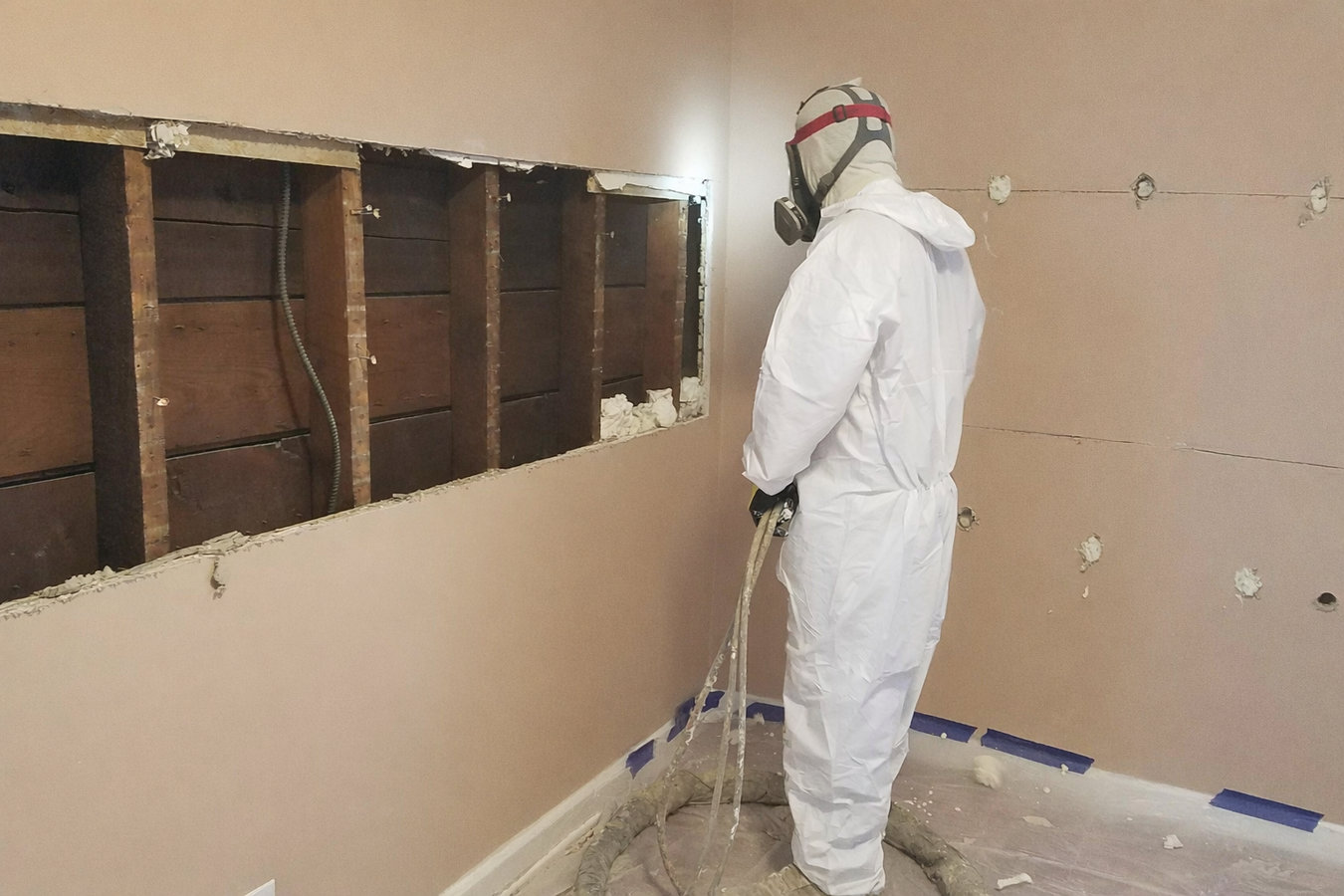
We handle attics, walls, crawl spaces, and rim joists - the four areas that account for most heat loss in a typical older Central Pennsylvania home. Attic work almost always uses blown-in insulation, which fills irregular spaces well and goes in fast with no drywall work. For enclosed wall cavities, we drill small holes, inject dense-pack material, and patch the openings - a clean process that leaves no visible trace. We also seal before we insulate, following the guidance of the U.S. Department of Energy , which recommends air sealing as the first step in any retrofit project.
For harder-to-reach spots - rim joists, around pipes, and the edge of the attic floor - we use home insulation approaches that include spray foam, which expands to seal and insulate at the same time. After installation, we provide the written documentation you need to claim a PPL Electric rebate or the federal energy efficiency tax credit - so you do not leave money on the table after the work is done.
Best for most homes - fast, clean, and highly effective at bringing attic insulation up to the level recommended for central Pennsylvania winters.
Right for homes where walls have little or no insulation - material is injected through small holes with no interior drywall work required.
Recommended for homes with cold floors and high heating bills - addresses the building envelope from the bottom up alongside the attic.
The most complete approach - sealing first ensures the new insulation performs at its full rated value rather than being undermined by air movement.
State College sits in central Pennsylvania and regularly sees winter temperatures well below freezing, with average January lows around 18 to 20 degrees. The heating season here runs from October through April - six or more months where an under-insulated home is costing you money every day. Homeowners in central PA tend to see faster payback on insulation investments than people in milder climates because the savings accumulate quickly across a long winter. Homeowners in Altoona and other nearby communities face the same calculus - cold winters and older housing stock that was never built to today's standards.
State College also has one of the highest proportions of rental housing of any small city in Pennsylvania, driven by Penn State's enrollment. Rental properties frequently go years without insulation upgrades because landlords defer the cost. If you recently purchased a home that was previously rented - or if your home has cycled through multiple owners over the decades - there is a good chance insulation was never updated since the house was built. Homeowners in communities like Lewistown with a similar housing age profile find that even a targeted attic retrofit delivers results in the first heating season. Central Pennsylvania's freeze-thaw cycles also open up small gaps in older homes over time, making air sealing a necessary part of any retrofit project.
We ask about your home's age, size, and what is prompting you to call. This takes five to ten minutes. Most reputable contractors in the State College area offer a free in-home assessment before giving you a firm price - and we reply within one business day.
A contractor walks through your home - typically 30 to 60 minutes - checking your attic, crawl space, and accessible wall cavities. We look at existing insulation levels, air leaks that need sealing first, and where you will get the most improvement for your money.
You receive a written proposal that outlines what work will be done, what materials will be used, and the total cost. A good estimate separates air sealing from insulation installation - those are two different tasks and both matter. Take time to compare before deciding.
The crew arrives with equipment, lays down protective coverings, and gets to work. Most attic jobs finish in a few hours. Before leaving, they clean up and walk you through what was done - showing material documentation you can use for rebate claims.
Free in-home assessment. Written estimate. We reply within one business day and come prepared with honest answers, not a sales pitch.
(814) 996-0035We look at your home in person before giving you a number. That means we know what we are dealing with - the existing insulation depth, the air sealing gaps, the access conditions - and we can give you a written estimate that reflects the actual job rather than a ballpark based on square footage. No surprises on installation day.
We work across 12 communities in central Pennsylvania - State College borough, the surrounding townships, and the wider Centre County area. If you are not sure whether we cover your address, just call and ask. We give you a direct answer and a realistic scheduling timeline, not a runaround.
PPL Electric and Peoples Natural Gas both offer rebates for qualifying insulation work, and the federal tax credit adds another layer of savings. We provide the written invoice, material documentation, and contractor information you need to file those claims correctly - so the money comes back to you without extra effort on your end.
A large share of State College homes were built before modern energy codes existed. We know what those homes look like from the inside - inconsistent wall insulation, open framing cavities, and attics that have never been properly addressed. That local knowledge means the work we recommend is based on what your specific home actually needs.
Retrofit insulation is one of the highest-return investments available to an older home in central Pennsylvania. We do it right so you see the results in your first full heating season - not just on paper.
For rebate program details, visit PPL Electric energy efficiency programs or the ENERGY STAR Seal and Insulate guide.
For rim joists, crawl spaces, and hard-to-reach spots where blown-in material cannot seal and insulate at the same time.
Learn moreA whole-home assessment and approach that addresses every area of heat loss in a single project rather than tackling one zone at a time.
Learn moreContractor schedules fill quickly once the cold sets in - locking in your assessment now means the work is done before heating season costs you another winter of higher bills.