Loading...
Serving State College, PA and surrounding areas. (814) 996-0035
Warm air escaping through your attic is costing you money every cold month. We seal every gap so your heating system can actually do its job.
Attic air sealing in State College finds and plugs the gaps where your living space connects to the attic - around light fixtures, plumbing pipes, wall tops, and the attic hatch - so warm air stays inside. Most jobs take two to six hours for an average home, with larger or older homes running a full day.
Warm air rises - that is just physics. In winter, it pushes up through every tiny crack into your attic and out of your home. This is called the stack effect, and it can account for a significant portion of your heating bill without you ever realizing it is happening. State College winters are long and cold, which means your furnace is fighting this invisible drain for five or more months every year. Many homeowners discover the problem only after seeing a sharp rise in their heating costs. Pairing attic air sealing with retrofit insulation addresses both heat loss pathways at once and is often the most cost-effective approach for older homes.
The good news is that air sealing is one of the most direct improvements you can make. A free in-home assessment lets us walk through your attic, identify the most significant gaps, and give you a clear picture of what the work will involve before anything is scheduled.
State College winters are long and cold, and if your heating costs feel disproportionately high compared to neighbors in similar-sized homes, air leakage is one of the most common culprits. A home that loses heat through attic gaps forces your furnace to run longer and more often just to maintain the same temperature. If your bills have crept up year over year without a clear explanation, the attic is a logical first place to look.
This is one of the clearest signs that cold attic air is finding its way into your living space. In older State College homes - especially those built before 1980 - the framing at the top of interior walls often connects directly to the attic with no seal. If you notice a chill near the top of a wall or around a ceiling light fixture on a cold day, that is air coming from above.
Ice dams - the thick ridges of ice that build up at the edge of your roof in winter - are a direct sign that warm air is escaping through your attic and melting snow unevenly. State College gets significant snowfall most winters, and homes with poor attic air sealing are far more prone to ice dam damage. If you have had ice dams in the past, unsealed attic gaps are almost certainly part of the cause.
When air leaks pull outside air through attic gaps, it brings dust, pollen, and insects along with it. If you find yourself dusting more than seems reasonable, or if you notice small insects appearing near ceiling fixtures in warmer months, your attic may be acting as an unintended entry point. Sealing those gaps addresses the source rather than just the symptom.
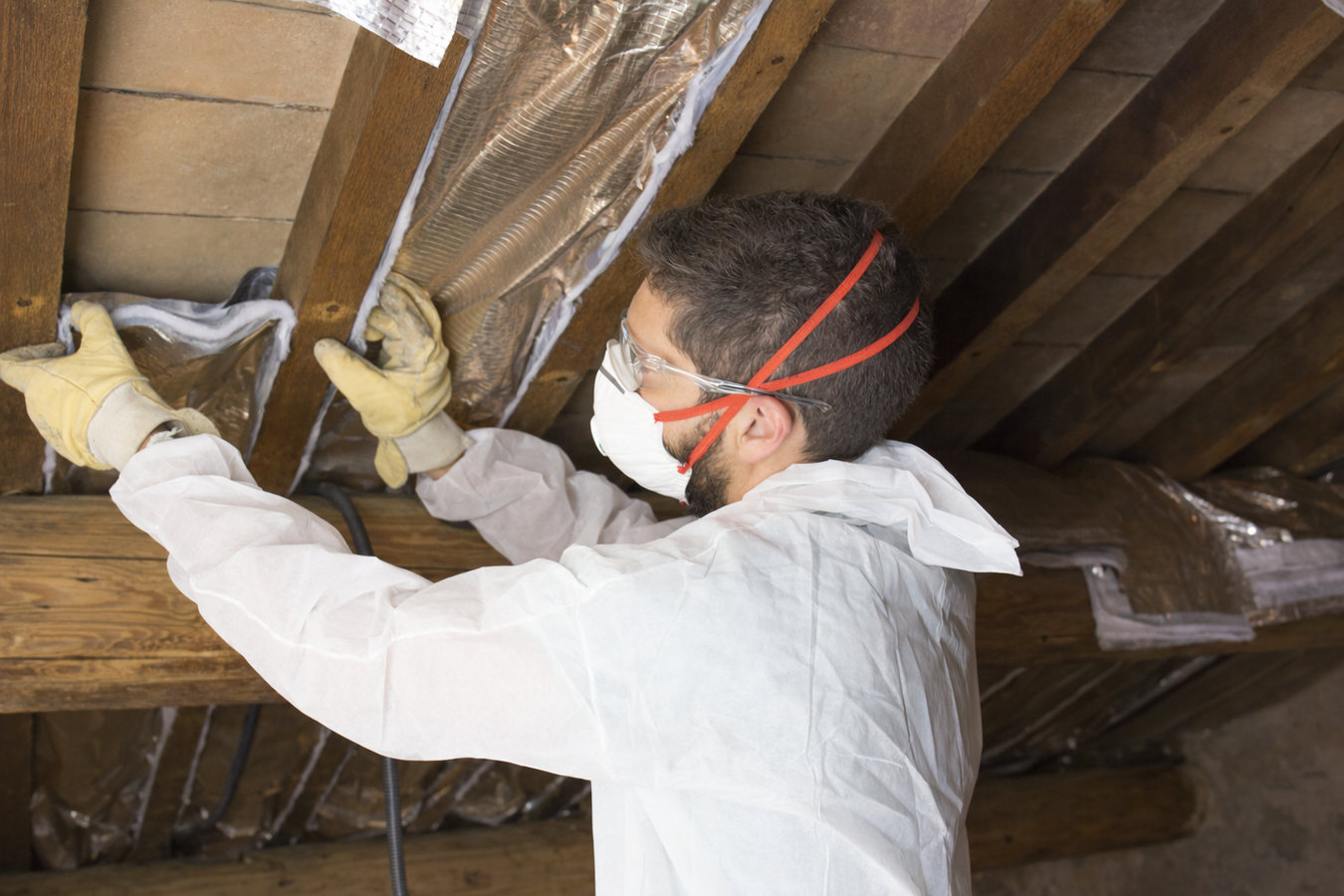
We work methodically across the entire attic floor, applying foam, caulk, or rigid blocking to every gap we find - not just the obvious ones. That means light fixture boxes, plumbing stacks, electrical chases, wall top plates, and the framing around the attic hatch. We also check that your attic ventilation is adequate before sealing, because a properly sealed attic still needs airflow to prevent moisture buildup. The U.S. Department of Energy recommends sealing before adding insulation - and we follow that sequence on every job.
For homeowners who want to go further, we naturally combine attic air sealing with whole-home air sealing services that address the basement, crawl space, and rim joists at the same time. After sealing, we can also assess whether your existing attic insulation is performing at the level you need for a central Pennsylvania winter, and recommend next steps if it is not.
Best for most homes - targets all gaps in the attic floor where living space and attic connect, using foam and caulk sized to each opening.
Right for homes where the pull-down stair or hatch cover is a major source of heat loss - often overlooked but one of the largest single gaps in a typical attic.
Recommended for homes that are both leaky and under-insulated - sealing first ensures the new insulation performs at its full rated value.
The right choice when you want a measurable before-and-after result - a pressure test finds hidden leaks and confirms the sealing was effective.
State College sits at roughly 1,200 feet elevation in a valley surrounded by ridges, and the area experiences consistent northwest wind in winter. That wind pressure pushes cold air into any gap it can find - including attic penetrations - making drafts more pronounced here than in lower-elevation, more sheltered locations. The heating season typically runs from October through April, so every unaddressed gap costs money across six months of the year. Homeowners in Bellefonte and the surrounding townships face the same conditions - valley cold that settles in and stays.
A large share of the housing stock in State College and the surrounding townships was built between the 1940s and 1970s - well before energy efficiency was a design priority. Attics in these houses often have dozens of unsealed gaps around old plumbing, original ceiling fixtures, and wall top plates that were never addressed. Homes that previously served as student rentals near Penn State are especially likely to have deferred air sealing work. Homeowners in areas like Tyrone and other nearby communities with older housing stock find that a single air sealing project delivers noticeable results in the first heating season.
We ask a few basic questions - your address, the approximate age of your home, and whether you have had any insulation work done before. We reply within one business day and can typically schedule an assessment within one to two weeks.
We spend time in the attic before quoting the work - looking at the size of the space, how accessible it is, and where the most significant gaps are located. You get a written estimate that breaks down what will be done and what it will cost, in plain language.
The crew works methodically across the attic floor, applying foam, caulk, or rigid blocking depending on the size and type of each opening. Most homes are done in two to six hours. You can stay home - the crew stays in the attic.
When the work is complete, we walk you through what was done and provide the documentation you need to claim your federal tax credit or submit a PPL Electric rebate. You use your home normally right away - there is no curing period.
Free in-home assessment. Written estimate. No pressure. We reply within one business day.
(814) 996-0035A significant share of homes in the State College area were built before 1980 and have never had their attics addressed from an energy standpoint. We know what to look for in that era of construction - open wall cavities, original plumbing chases, and knob-and-tube wiring paths that were never sealed. That local experience means we find leaks that a less familiar crew would miss.
We assess your home before we quote anything. You get a written breakdown of what we found, what we recommend, and what it will cost - so you can make a decision at your own pace without being pushed. Most homeowners receive their estimate the same day as the assessment.
PPL Electric serves most of Centre County, and their energy efficiency rebate programs can reduce your out-of-pocket cost meaningfully. We are familiar with the current program requirements and can help you document the work correctly so your rebate claim goes through without extra back-and-forth. The federal tax credit is an additional option we can walk you through as well.
We serve homeowners across 12 communities in central Pennsylvania - from State College borough to the surrounding townships and beyond. If you are not sure whether we cover your area, just call. We answer quickly and give you a straight answer about scheduling and availability. Local crews, local knowledge, local accountability.
Air sealing is not glamorous work, but it is one of the highest-return improvements you can make on a central Pennsylvania home. We do it right the first time so you are not back to square one after the first winter.
For contractor credentials, visit the Building Performance Institute to verify BPI certification, or the ENERGY STAR Home Performance program to find trained contractors in your area.
Add insulation to an existing home without tearing out walls - the natural next step after air sealing for older State College homes.
Learn moreWhole-home air sealing that addresses the basement, crawl space, and rim joists alongside the attic for complete envelope control.
Learn moreThe heating season starts early in Centre County - locking in your appointment now means you are ready before the first hard freeze and the busiest scheduling period of the year.