
Loading...
Serving State College, PA and surrounding areas. (814) 996-0035
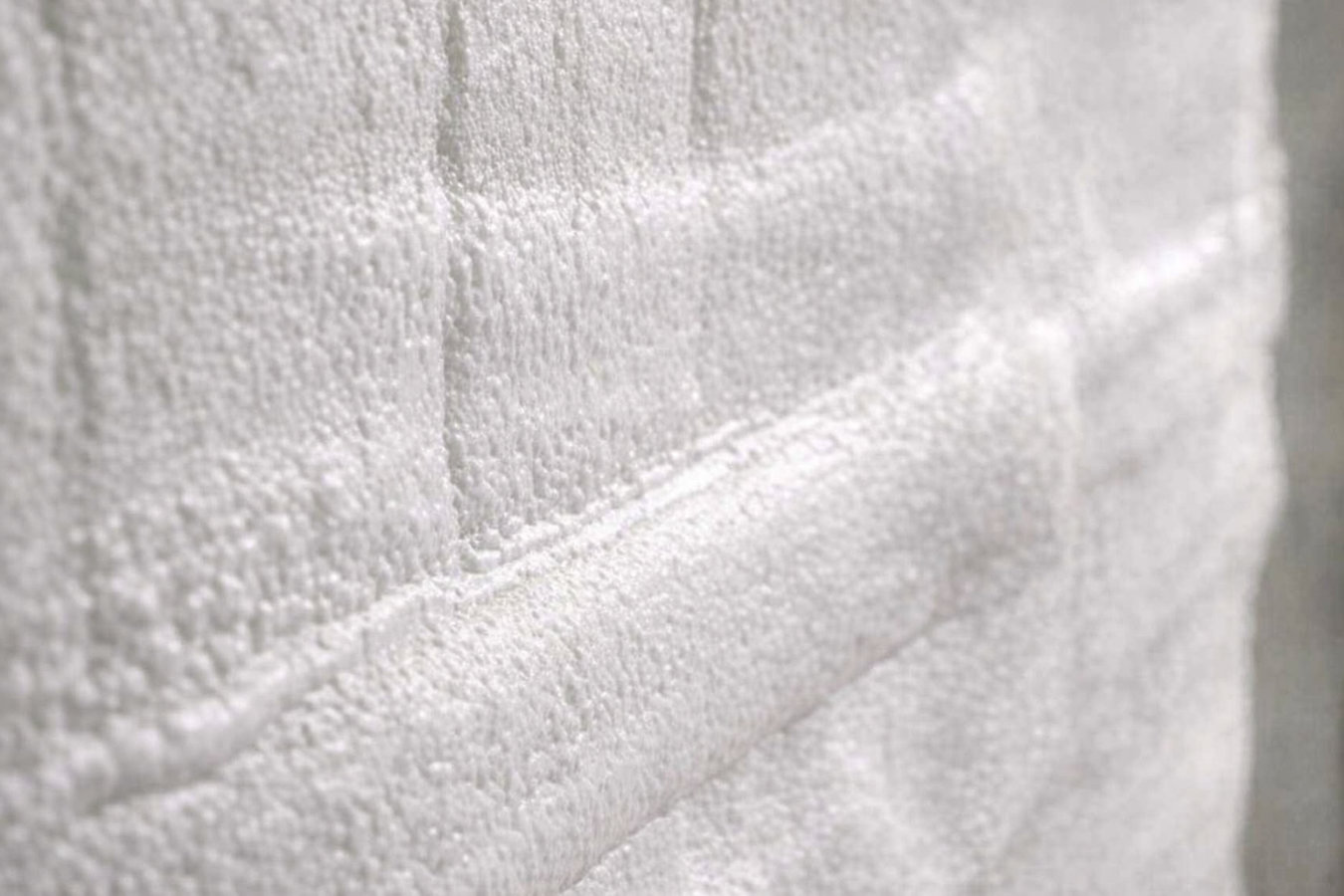
Closed-cell spray foam delivers the highest R-value per inch of any commonly used insulation material and seals air gaps at the same time - one product doing two jobs in a Centre County winter.
Closed-cell foam insulation in State College expands on contact to fill gaps and cure into a firm, dense layer that both insulates and seals air at the same time - most jobs are completed in a single day. Unlike fiberglass batts, which slow heat but do nothing about drafts, closed-cell foam addresses both problems in one application.
For older homes in Centre County - many built in the 1960s and 1970s with minimal insulation - the combination of high R-value and air sealing is particularly valuable. It is especially effective in basements, crawl spaces, and rim joists, where cold air enters most easily. Many homeowners who use closed-cell foam notice the difference the first night after installation. If your home also has a partially finished attic or knee wall, pairing this work with spray foam insulation can address the entire building envelope in a coordinated way.
Call us or submit a request online and we will be back in touch within one business day to schedule a walkthrough and written estimate.
If your gas or electric bill climbs sharply from October through March and your heating system has been serviced, the problem is often air leaking through the building envelope. In State College's climate, even a modest gap around a basement rim joist or crawl space can cost hundreds of dollars a year. Insulation is one of the first places to look.
Go into your basement on a bright, cold day and look at where the floor framing meets the foundation wall. If you can see light coming through or feel cold air moving near that joint, you have a significant air leak. This is one of the most common and most fixable energy problems in Central Pennsylvania homes.
Fiberglass insulation installed 30 or 40 years ago - common in homes near Penn State's campus - often settles, compresses, or absorbs moisture over time. If the insulation looks matted, discolored, or has gaps, it is no longer doing its job. Replacing it with closed-cell foam gives you a fresh start with a material that will not degrade the same way.
Moisture problems in below-grade spaces are common in Central Pennsylvania, and they often get worse when warm indoor air meets cold, uninsulated surfaces. If you notice condensation on pipes or a damp smell in your basement, uninsulated surfaces are often contributing. Closed-cell foam applied to walls and rim joists significantly reduces conditions that allow moisture to accumulate.
We apply closed-cell foam in the locations where it makes the biggest difference for Centre County homeowners: basement rim joists, crawl space walls and floors, attic hatches and knee walls, and band joists in older additions. These are the spots where older State College homes lose the most heat and where traditional insulation materials are hard to install correctly because of irregular framing or limited access. Closed-cell foam is sprayed into these spaces and expands to fill every gap - no cutting, no friction-fitting, no gaps around pipes.
For projects that call for different approaches in different parts of the home, we can combine closed-cell foam with open-cell foam insulation - using closed-cell where moisture resistance or structural stiffness is needed and open-cell where vapor permeability is preferred. We will walk you through both options at the estimate and explain which makes sense where in your specific home.
The highest-impact single upgrade for most older homes - seals the gap where floor framing meets the foundation wall.
Best for damp or irregular crawl spaces where moisture resistance and tight coverage are both needed.
Ideal for finished or semi-finished basements where maximum R-value in minimum thickness is a priority.
Best for homes with finished attic spaces or knee walls where airflow between conditioned and unconditioned areas is a problem.
State College sits in a climate zone where average January temperatures regularly drop into the low 20s Fahrenheit, and the heating season runs from roughly November through March. Homes here are working hard for months at a time, and any gap in the building envelope - an uninsulated rim joist, a leaky crawl space wall, a drafty attic hatch - translates directly into higher bills. Closed-cell foam is particularly well-suited to this climate because it seals and insulates in one step, and homes across the region including Bellefonte face the same challenge.
A large share of State College's housing was built between the 1940s and 1980s, particularly near Penn State's campus. Homes from that era were often built with minimal insulation by today's standards, and whatever was installed has likely settled or degraded over the decades. Closed-cell foam is one of the most effective ways to bring an older home up to a modern comfort level - it does not settle, compress, or absorb moisture the way older materials do. Homeowners in Altoona and across the region with older housing stock consistently see the biggest improvements from this type of upgrade.
Call or submit a form online and we respond within one business day. We will ask basic questions about the space - your attic, basement, or crawl space - and how old the home is so we arrive with the right equipment.
We walk through the space, take measurements, check for moisture, and note any existing insulation. You receive a written estimate spelling out the area to be covered, foam thickness, total price, and whether a permit is needed.
The crew arrives with spray equipment, protects surrounding surfaces, and applies foam in controlled passes building up to the required thickness. Most residential jobs are done in four to eight hours. Plan to be out of the house for at least two to four hours after the crew finishes.
Your contractor will give you a specific re-entry time in writing before work begins. Once you are back, we walk you through the finished work and confirm thickness achieved. If a permit inspection is required, we coordinate that and you receive documentation.
We will walk through the space, answer your questions, and give you a written price before anything is scheduled. No obligation.
(814) 996-0035State College Insulation focuses on owner-occupied homes in State College, Centre County, and the surrounding region - not rental property turnovers. We take the time for the detail work that makes a real difference in comfort and energy bills.
We put the scope, materials, and cost in writing before we start, and coordinate any permits your project needs. You get a clear record of the finished work and a walkthrough before we leave.
Spray foam produces fumes during curing that are not safe to breathe. We give every homeowner a specific re-entry time in writing before work begins - not a rough estimate on the day. See the EPA's guidance on re-entry at{" "}epa.gov.
We measure foam thickness as we apply it. Good work is visible - consistent coverage with no thin spots or gaps around pipes and wires. We walk you through the finished work before we leave so you can see exactly what was done.
We give every homeowner a specific re-entry time in writing and walk through the finished work before we leave. For independent guidance on spray foam installation standards, visit the Spray Polyurethane Foam Alliance or review energy performance guidance from the U.S. Department of Energy.
A softer, lower-density option suited to interior walls and attics where vapor permeability is preferred.
Learn moreLearn how spray foam compares to traditional insulation types and where it makes the most sense for your home.
Learn moreState College winters do not wait - lock in your project date before the fall rush and feel the difference from the first cold snap.