Loading...
Serving State College, PA and surrounding areas. (814) 996-0035
Cold floors, climbing heating bills, and frozen pipes are signs your crawl space is working against you. We fix that with insulation and moisture control built for Centre County winters.
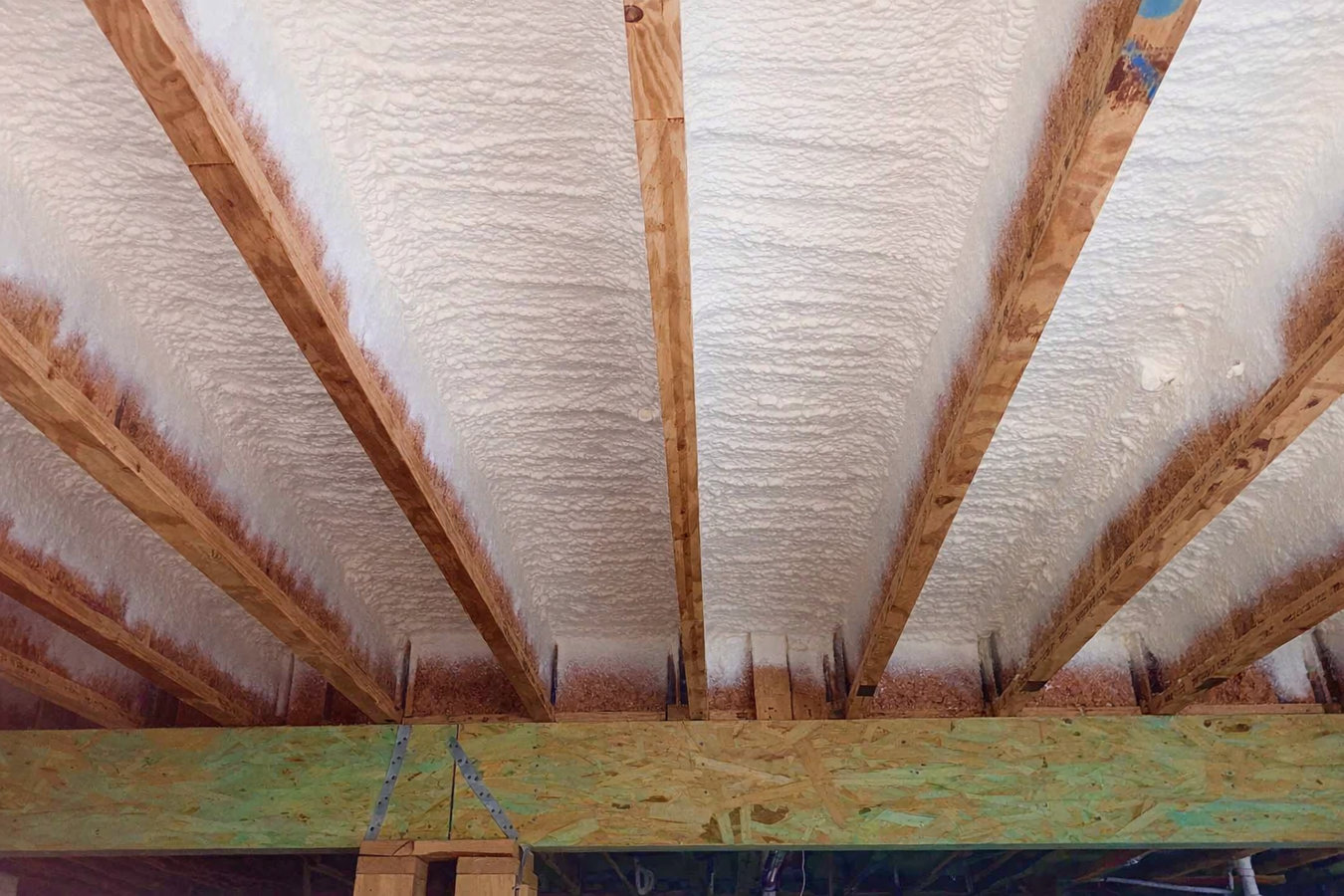
Crawl space insulation in State College puts a thermal barrier between the cold ground and your living area - most jobs take one to two days for a standard home, with larger or encapsulation projects running two to three days.
The answer to cold floors is almost always below your feet. An uninsulated or under-insulated crawl space lets cold air push straight up through your floors, making rooms feel drafty no matter how high you set the thermostat. This is especially common in State College homes built before 1980, where original insulation - if any was installed - has had decades to sag, compress, or fall away from the floor joists. Many homeowners also find that a crawl space moisture problem is making things worse. If you are noticing a musty smell on the ground floor, that often means moisture is building up below. Pairing crawl space insulation with wall insulation upgrades gives you a complete thermal envelope from the foundation up.
Before any work is quoted, a contractor should physically enter the crawl space to see what is actually there. We will not recommend a full encapsulation if basic floor insulation will solve the problem - and we will not skip moisture control if the crawl space needs it.
If you walk across your kitchen or living room floor in winter and it feels noticeably cold underfoot - even with the thermostat set to a comfortable temperature - that is a strong sign cold air is rising from an uninsulated crawl space below. This is especially common in State College homes built before 1980, where original insulation has often sagged or fallen away from the floor joists.
State College winters are long and cold, and if your heating costs seem disproportionately high compared to neighbors with similar-sized homes, the crawl space is one of the first places to look. Heat escaping through an uninsulated floor is one of the most common and most fixable sources of energy waste in older Central Pennsylvania homes.
A persistent musty or earthy odor in your basement or on your ground floor often signals moisture buildup in the crawl space below. In State College's climate, freeze-thaw cycles push ground moisture upward through spring. A crawl space without a proper vapor barrier can become damp enough to grow mold - and that smell travels up into your living space.
If you have had a pipe freeze in winter - or if a plumber has warned that your crawl space pipes are at risk - that is a direct sign the space is not properly insulated or sealed. In State College, where temperatures can stay below freezing for days at a stretch, an unprotected crawl space puts your plumbing at real risk every winter.
We offer both floor insulation - installing material between the floor joists above the crawl space - and full crawl space encapsulation, where we seal the walls, lay a vapor barrier over the ground, and treat the space as part of your home's thermal envelope. In State College's climate, the sealed approach often performs better because it also protects pipes from freezing and handles the moisture that comes with Centre County's freeze-thaw cycles. For homes where old, damaged material is already there, we start with removal before any new insulation goes in. Pairing the job with crawl space vapor barrier installation is the most effective way to address both heat loss and moisture in one visit.
Air sealing happens before the insulation goes in - gaps around pipes, wires, and vents are filled with foam or caulk first. That step is where a lot of the energy savings come from, and skipping it would leave real performance on the table. We also handle wall insulation for homeowners looking to address the full building envelope in one project. PPL Electric and Peoples Natural Gas both offer rebates for qualifying insulation work - we can walk you through what applies to your job.
Good fit for homeowners who want to stop heat loss through the floor without changing how the crawl space is vented or accessed.
Best for homes where moisture, pipe freezing, or significant energy loss from the crawl space are all concerns at once.
Ideal as a standalone or paired upgrade for crawl spaces with bare dirt floors or existing but damaged plastic sheeting.
Right for crawl spaces where existing insulation is sagging, wet, or pest-damaged and needs to come out before new material goes in.
State College sits in the Nittany Valley, where winter temperatures regularly drop into the teens and single digits and the area averages around 45 inches of snow per year. That kind of cold pushes up through an uninsulated crawl space and into your floors, making rooms feel drafty even when the thermostat is set high. Homeowners in Tyrone and Bellefonte feel the same pressure - and the payoff from fixing an under-insulated crawl space shows up quickly on your heating bills.
The housing stock here adds another layer. Much of the housing in and around State College - particularly in older neighborhoods near Penn State's campus and in the borough itself - dates from the 1940s through the 1970s. Homes from that era were often built with little or no crawl space insulation, or with materials that have since degraded. Centre County's freeze-thaw pattern, where temperatures swing above and below freezing repeatedly through winter and early spring, puts ongoing stress on moisture barriers and insulation. Ground moisture migrates upward during thaw periods, and if a vapor barrier is not properly installed or has been damaged, that moisture can saturate insulation and promote mold growth. For homeowners who have recently purchased a property that was previously a rental, a crawl space inspection should be near the top of the list.
We ask a few basic questions - the size of your home, whether you have had moisture or pest issues, and whether you know what is currently in the crawl space. Most State College homeowners can get an on-site estimate scheduled within a few days. We reply within one business day.
Before anything is quoted, we physically enter the crawl space to assess what is there. We look at the current insulation, check for moisture, inspect the vapor barrier, and note gaps around pipes or vents. A written estimate follows - and you can compare it against other bids.
The crew removes any old or damaged insulation, seals air gaps with foam or caulk, installs the vapor barrier if needed, and then installs the new insulation. You can stay home - the work happens below your floor. Most jobs finish in one day.
Before the crew leaves, they walk you through what was done and provide photos from inside the crawl space so you can see the finished installation without going in yourself. Any removed material is taken off-site. We also note anything else worth monitoring for future reference.
Free estimate. We assess the crawl space first and show you exactly what it needs before any work begins.
(814) 996-0035Every crawl space is different. We enter the space and look at what is actually there before recommending floor insulation, encapsulation, or a combination. A contractor who quotes a price without looking inside first is guessing - and that guess usually costs you more than necessary.
We work throughout the State College area, from older homes in the borough to newer subdivisions in Ferguson and Patton Townships. We know what the crawl spaces in this area typically look like - and what they need - before we arrive.
Installing insulation over a wet crawl space is one of the most common mistakes in this trade. We assess moisture conditions first and include vapor barrier work when the space needs it - so the insulation we install actually performs for the long term.
PPL Electric Utilities and Peoples Natural Gas both offer rebates for qualifying insulation improvements in Pennsylvania homes. We provide the installation documentation you need to apply. Homeowners who check rebate eligibility before the work begins can offset a meaningful portion of the project cost.
The U.S. Department of Energy recommends crawl space insulation as one of the highest-return upgrades available in cold climate zones - and Pennsylvania qualifies. Our approach combines proper air sealing, moisture control, and correctly rated insulation so the finished job holds up through State College's winters and the freeze-thaw cycles that follow.
For Pennsylvania rebate program details, visit PPL Electric Utilities or Peoples Natural Gas before your installation begins.
Complete the thermal envelope from the ground up by adding proper insulation to your exterior walls in the same project.
Learn moreA properly sealed vapor barrier is what keeps ground moisture from reaching your insulation and floor framing over time.
Learn moreWinter in State College is long - get your crawl space sealed before the cold sets in and your heating bills climb.