Loading...
Serving State College, PA and surrounding areas. (814) 996-0035
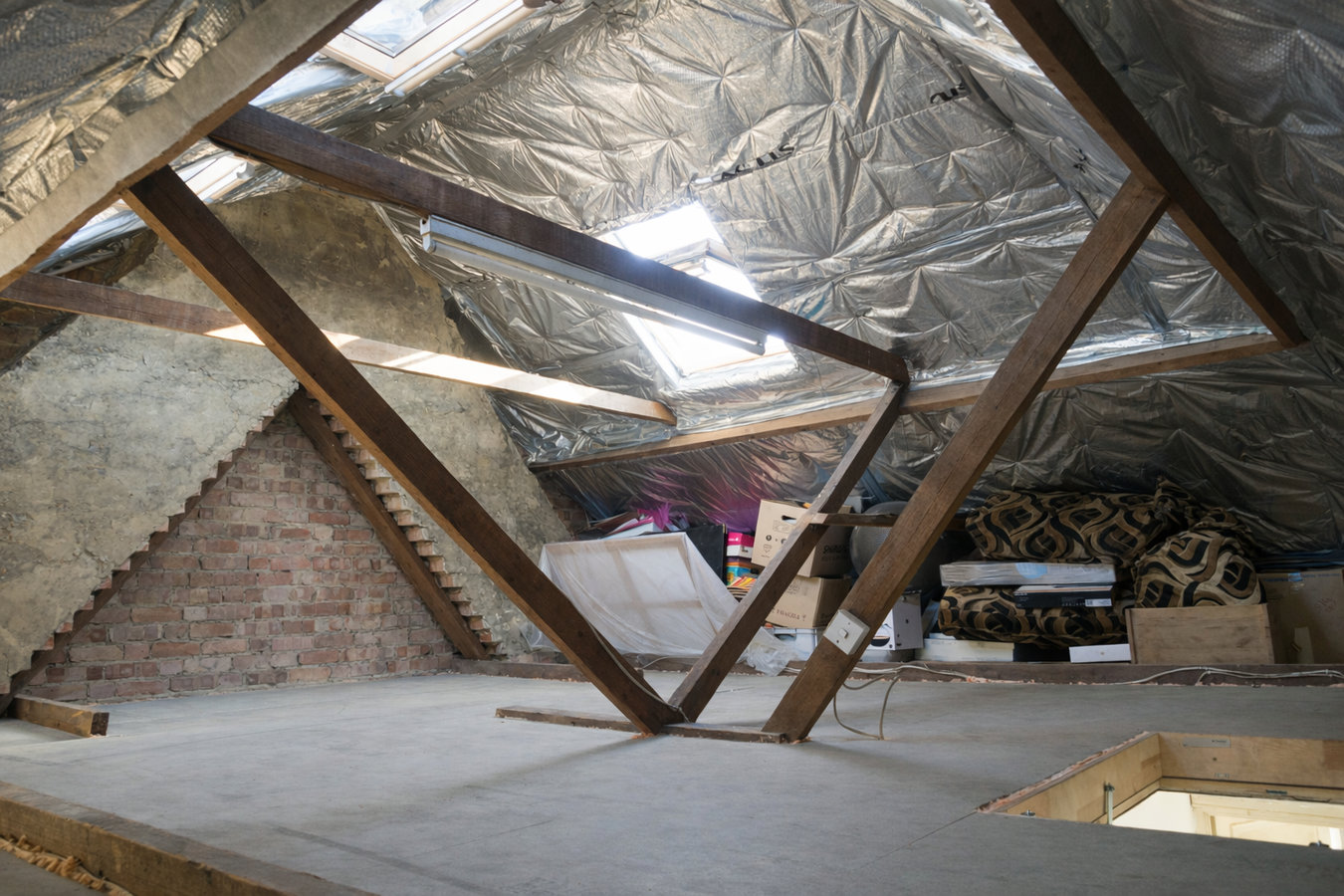
Most of the heat your furnace produces leaves through the attic. If your home is over 20 years old and you have never had the attic checked, you are almost certainly paying to heat the outdoors every winter.
Attic insulation in State College acts as a thermal blanket between your living space and the outdoors, slowing heat loss in winter and blocking heat gain in summer - most standard homes can be upgraded in a single day. Without enough of it, your heating system runs longer and harder than it should, and you pay for that every month from October through April.
Homes in State College and the surrounding townships were built across many decades, and the older ones - particularly in neighborhoods like the Highlands and Holmes-Foster near campus - were often insulated to standards that made sense in the 1960s but fall well short of what is recommended today. If you have never had your attic checked, there is a reasonable chance it is significantly under-insulated.
Many attic projects also include attic air sealing before new material goes in. Sealing the gaps around pipes, wiring, and light fixtures is what makes the insulation actually work - without it, cold air can still move through the attic floor even after new insulation is added.
If your gas or electric bill spikes sharply from November through March and stays high even at a reasonable thermostat setting, your attic is a likely culprit. State College winters are long and cold, and an under-insulated attic lets heat escape through the ceiling all day and night. You are essentially paying to heat the outdoors.
Ice dams are ridges of ice that form along the edge of your roof in winter. They happen when heat escaping through your attic melts snow on the upper roof, and that water refreezes at the cold eaves. State College gets enough snow and cold that ice dams are a real and recurring problem - and they are almost always a sign your attic is not holding heat the way it should.
If the upstairs bedrooms or the room directly below the attic are always too cold in winter or too hot in summer no matter how you adjust the thermostat, the attic floor above them likely has thin or uneven insulation. This is especially common in older homes near campus where insulation was never upgraded.
On a cold winter day, hold your hand near a recessed light or ceiling fan housing in an upstairs room. If you feel a draft, cold air is moving through gaps in the attic floor directly into your living space. This is a sign that both air-sealing and new insulation are needed - not just one or the other.
We install the two most common types of attic insulation: blown-in loose fill and batt insulation. Blown-in material - usually fiberglass or cellulose - is pumped in through a hose and fills corners and irregular spaces that batts cannot reach. It is the most common approach for existing attics and can be added on top of what is already there in many cases. Batts work well for new construction or specific areas where coverage needs to be precise.
In many attics, we also install blown-in insulation as the primary material, reaching the recommended depth for State College's climate. Before any new material goes in, we check for existing issues - moisture, pests, older materials, or electrical conditions - and address them first. Every job includes a written estimate with a clear breakdown of scope and cost before we start.
Loose-fill fiberglass or cellulose blown to the correct depth for your climate zone - the most common upgrade for existing attics.
Pre-cut blanket-style insulation for attic floors or rafters where precise coverage is the priority.
We seal gaps around pipes, wiring, and fixtures before adding insulation - the combination that actually stops heat from escaping.
When existing material is wet, moldy, pest-damaged, or contains older materials, we remove it safely before installing new insulation.
Insulating and air-sealing knee walls in finished attic spaces where heat loss is often overlooked.
Insulating the attic access hatch - a commonly missed spot that lets cold air into the home when left untreated.
State College averages around 50 inches of snow per year, and temperatures regularly drop into the teens from December through February. For homeowners in older parts of the borough and in the surrounding townships of College, Ferguson, and Patton, this means a long heating season working against a home that was likely never insulated to today's standards. Centre County's freeze-thaw cycles also gradually work on the small gaps and cracks in a home's structure over time - making those openings larger each year and letting cold air in more easily.
The housing stock throughout the area includes homes built from the 1920s through the 1990s, many of which have never had their attic insulation upgraded. Whether your home is near campus or in a newer subdivision in Huntingdon or Lewistown, the same conditions apply. A properly insulated attic makes the most meaningful difference in energy performance of any single upgrade you can make to a home in this climate.
We will ask about the size of your home, when it was built, and any comfort problems you have noticed. We respond within 1 business day and schedule a free in-home assessment - attic conditions vary too much to quote accurately over the phone.
We go up into the attic - usually through a hatch in a hallway or closet - measure the existing insulation depth, look for air leaks, and check for moisture, pests, or older materials. The visit typically takes 30 to 60 minutes, and you get a written estimate before any work begins.
Before the crew arrives, clear a path to your attic hatch and move anything fragile away from that area. You do not need to leave your home during the work, but keeping kids and pets away from the work area makes the job go smoothly.
The crew lays down protective coverings, seals any air leaks found during the assessment, then blows in insulation to the correct depth. Most jobs finish in a few hours. When the work is done, we walk you through what was installed and give you documentation - useful for utility rebates and your federal tax credit.
We respond within 1 business day - no obligation, no pressure. After you submit, someone will call to schedule a free in-home attic assessment. You get a written quote before any work begins, including what is included and why.
(814) 996-0035We put every detail in writing, from the scope and materials to the finished result, and coordinate any permits your project needs. You get a clear record of the work and a walk-through before we call it done.
Pennsylvania utility companies including PPL Electric and Penelec offer rebates for qualifying insulation upgrades, and the federal government offers a 30% tax credit on materials. We provide itemized invoices and project documentation so you have everything you need to claim both - and we will tell you upfront whether your project qualifies.
We have worked on homes from the older streets near campus to newer subdivisions in Ferguson and Patton townships. We know what to look for in older homes - including older wiring and materials that need to be addressed before insulation goes in - and we handle it correctly.
Every quote includes a clear breakdown of materials, scope, and cost before any work begins. The U.S. Department of Energy recommends getting multiple written estimates for insulation projects - we encourage you to compare. Our estimate will tell you exactly what is included and why we are recommending it.
A proper attic insulation job addresses two things at once: the insulation itself and the air leaks that make insulation less effective. We do both, and we walk you through the finished work before we leave so you know what was done and why it matters.
For guidance on recommended insulation levels for your zip code, visit ENERGY STAR Insulation R-Values by ZIP Code.
For information on the federal tax credit for insulation upgrades, see IRS Energy Efficient Home Improvement Credit.
Blown-in loose fill is the most common attic insulation method - covers corners and gaps that batts cannot reach.
Learn moreAir sealing closes the gaps and cracks in the attic floor before new insulation goes in - the step that makes insulation actually work.
Learn moreState College heating season starts in October - the sooner your attic is properly insulated, the sooner you stop paying for heat you are losing through the ceiling.