Loading...
Serving State College, PA and surrounding areas. (814) 996-0035
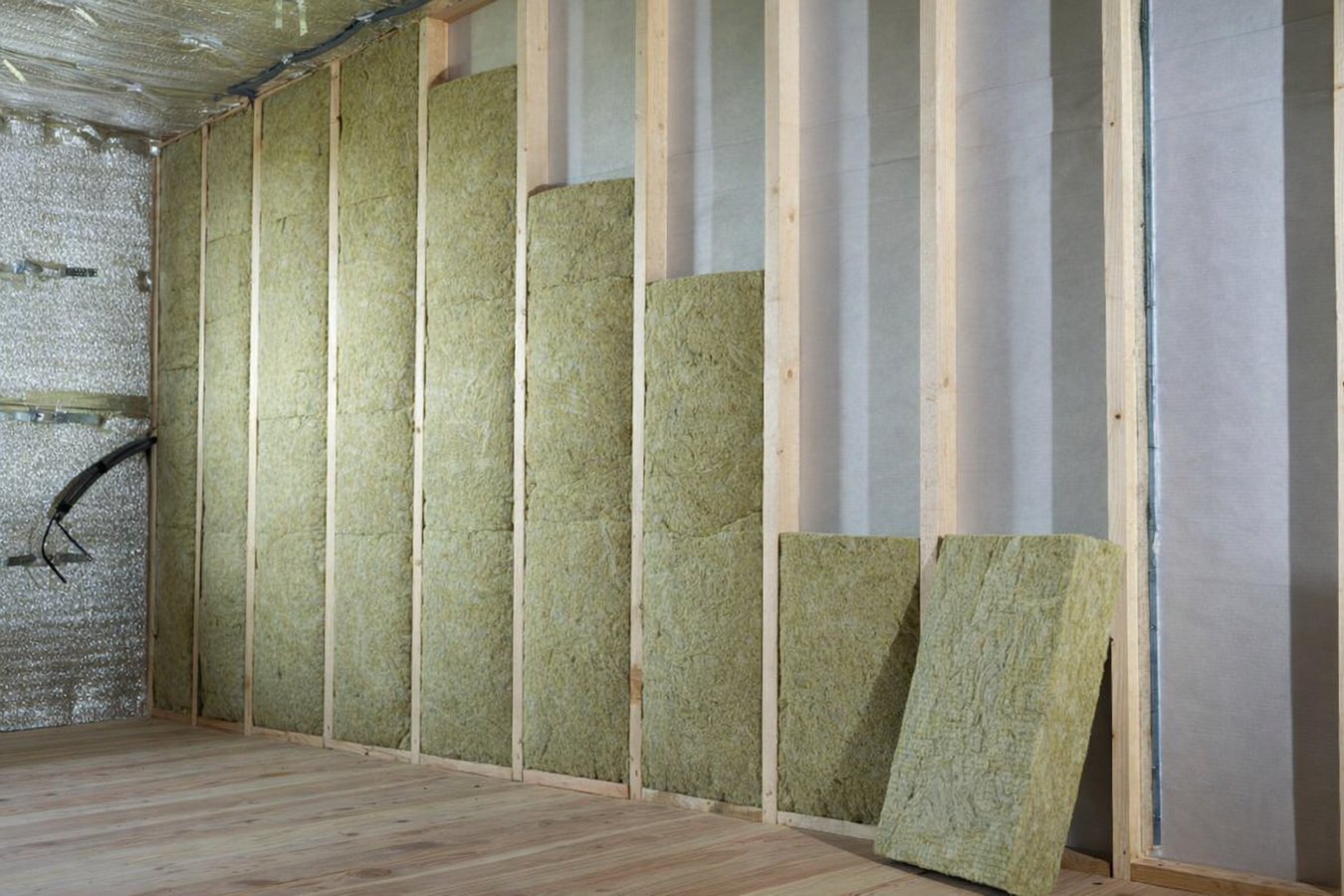
Cold floors and high heating bills in a Centre County winter are not inevitable. Proper basement insulation seals the cold out and keeps your home comfortable without running the heat higher.
Basement insulation in State College creates a thermal barrier between your living space and the cold air that collects below grade - most jobs are completed in one to two days for an average home. Without it, cold air rises through your floors and forces your heating system to work harder all winter long.
Homes near Penn State campus and throughout the borough were often built before modern energy codes, which means the basement is usually the biggest weak point in the building envelope. Paired with crawl space insulation, a properly insulated basement can significantly reduce what you spend on heat from October through April.
Whether your basement is finished, unfinished, or somewhere in between, there is a right approach for your specific situation. We will walk you through both options and give you a written quote before anything is scheduled.
If your first floor feels noticeably cold even when the heat is running, cold air is moving upward from an uninsulated basement below. In State College winters, this is one of the most common homeowner complaints. Adding insulation to the basement ceiling or walls closes that pathway.
If your gas or electric bills have risen over the past few winters and your habits have not changed, heat loss through an under-insulated basement is a likely culprit. State College's six-month heating season means even modest heat loss adds up to real money. An assessment can confirm whether your basement is the problem.
White chalky deposits - called efflorescence - on your basement walls are a sign that water is moving through your foundation. This is common across State College and the surrounding townships in spring, when snowmelt increases groundwater pressure. Moisture must be addressed before insulation goes in.
Homes in State College's older neighborhoods near Penn State were typically built without basement insulation. If your home is more than 40 years old and has never been insulated below grade, there is a very good chance you are losing significant heat every winter. A quick look at your basement walls will confirm whether insulation is present.
We offer two primary approaches for basement insulation, and the right one depends on how you use the space. Wall insulation brings the entire basement into the conditioned part of your home - it stays warmer year-round and is the better choice if you use the space regularly, have mechanical equipment down there, or plan to finish it. For unheated basements used mainly for storage, insulating the ceiling (the floor above the basement) is simpler and less expensive, and it creates a clear thermal boundary between the living space and the cold below.
Regardless of which approach fits your home, air sealing is part of every job we do. The rim joist - where your floor framing meets the top of the foundation wall - is one of the most significant sources of heat loss in older homes across State College. We seal those gaps before the insulation goes in. If your home also has a crawl space attached to the basement, we can address both in a single visit. For homes with significant moisture history, we may recommend closed-cell foam insulation, which does not absorb water and adds structural stiffness to the rim joist framing.
Best for finished or semi-finished basements and homes where the heating system or mechanical equipment lives below grade.
Best for unheated basements used for storage - separates the cold basement from the living space above at lower cost.
A standalone upgrade targeting the single biggest air leakage point in most basements - high impact for older homes near campus.
Ideal for homes with irregular framing, stone foundations, or moisture concerns - seals and insulates in one application.
State College sits in a valley in Centre County where average January temperatures hover in the upper 20s Fahrenheit and the heating season runs roughly six months, from October through April. A poorly insulated basement is one of the most direct reasons heating bills stay high here. Unlike in milder climates where basement insulation is a nice-to-have, in this area it is one of the most practical energy upgrades a homeowner can make. Homes in Bellefonte and the surrounding townships have the same climate challenge and consistently see the same improvement after the basement is properly sealed and insulated.
A large share of the housing stock in and around State College was built between the 1940s and 1980s - well before modern energy codes set minimum insulation requirements. Homes in Tyrone and other communities across the region share this history. In spring, when snowmelt from the surrounding ridges pushes groundwater against foundation walls, older homes in this area are also more prone to moisture intrusion. That is why we check for moisture before any insulation goes in - it is a real and common issue here, not a formality.
Call or submit a form online and we will respond within one business day. We will ask a few basic questions about your basement size and whether you have had any moisture issues so we arrive prepared.
A crew member walks your basement, checks walls, rim joists, and ceiling joists, and looks for existing insulation and any moisture signs. This visit usually takes 30-60 minutes and comes with a straight written quote - no pressure.
We seal gaps first, then install insulation. Most residential basement jobs are done in a single day. If spray foam is used, plan to ventilate upstairs for a few hours after the crew finishes.
Before we leave, we walk you through the completed work. The basement is left clean with no scraps or debris. If a permit inspection is required, we coordinate that and you receive documentation once it passes.
We will walk through your basement, check for moisture, and give you a written quote at no charge - no pressure, no obligation.
(814) 996-0035State College Insulation was founded to serve homeowners in Centre County and the surrounding region. We focus on owner-occupied homes, not rental property turnovers, and we take the time to do the air sealing and detail work that makes a real difference.
We put the scope, materials, and cost in writing before we start, and coordinate any permits your project needs. You get a clear record of the finished work and a walkthrough when the job is done.
Rim joist sealing and gap closing are part of every basement insulation job we do - not an add-on you have to ask for. That is where the biggest heat loss happens in older State College homes, and skipping it undermines the whole project.
We will not insulate over a damp wall. Every assessment includes a look at moisture indicators, and we will tell you honestly if something needs to be addressed first. That protects you from a much more expensive problem down the road. See independent guidance from the U.S. Department of Energy at{" "}energy.gov.
Every basement insulation job we do includes the air sealing that most contractors treat as optional. That is the difference between a project that performs and one that looks done but still leaves your floors cold in January.
For independent guidance on basement insulation standards, visit the North American Insulation Manufacturers Association or Penn State Extension.
The highest R-value per inch available - ideal for tight basement spaces where every inch matters.
Learn moreClose off the cold, damp air rising from below your floor framing with proper crawl space coverage.
Learn moreState College winters start early - get your basement insulated before the heating season hits and feel the difference from the first cold snap.