
Loading...
Serving State College, PA and surrounding areas. (814) 996-0035
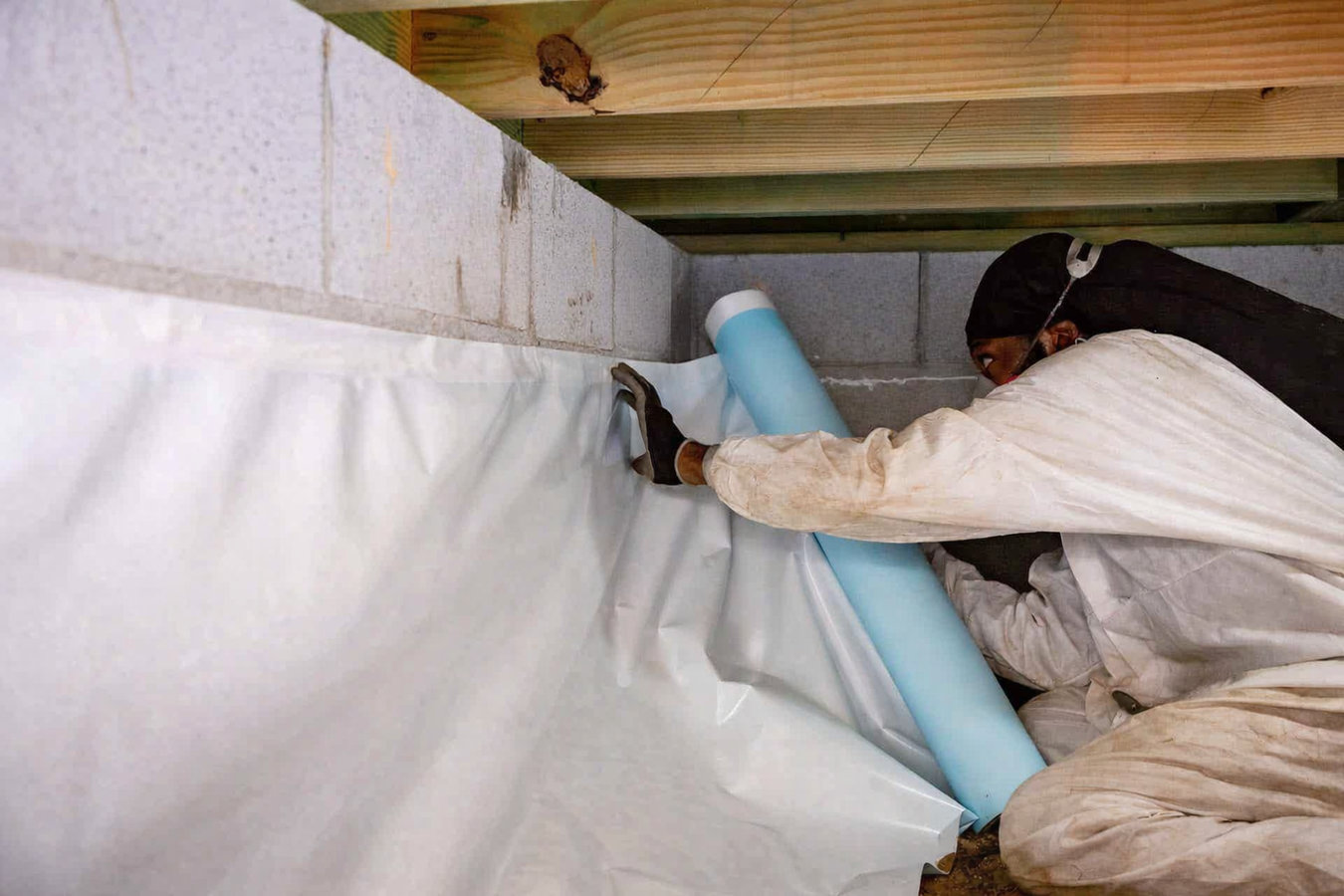
Ground moisture rising into your crawl space causes musty odors, damaged floors, and mold. A properly installed vapor barrier stops it at the source.
Crawl space vapor barrier installation in State College blocks ground moisture from rising through the soil and into your home - most jobs take one to two days for a basic floor barrier, with full encapsulation running two to three days depending on the size and condition of the space.
Many homes in and around State College were built between the 1940s and 1980s with vented crawl spaces and no moisture protection at all. That bare soil under your house has been releasing moisture upward for decades. Centre County's clay-heavy soils hold water far longer than sandy soils, which means the pressure on your crawl space continues long after a rainstorm or snowmelt has passed. A quality crawl space vapor barrier is the most direct fix - and it pairs naturally with crawl space insulation work if you want to address both moisture and heat loss at the same time.
The musty smell that shows up in spring, the soft spot in your floor, the high indoor humidity even in dry weather - these are the symptoms. The cause is almost always unprotected soil below. We inspect first, explain what we find, and give you a written estimate before a single tool comes out.
If your house smells damp or musty after the snow melts in late winter or early spring, that odor is almost always coming from below. In State College, the freeze-thaw cycle pushes ground moisture upward from February through April, and without a barrier, it comes right into your living space. The smell is strongest near the floor and in rooms directly above the crawl space.
Persistent moisture in a crawl space slowly damages the floor joists and subfloor above it. If you notice a floor that feels springy, soft, or unusually cold in winter, moisture may have been working on the wood for a long time. In older homes near the Penn State campus - many built before moisture protection was standard - this kind of damage is more common than most homeowners expect.
You do not need to crawl in yourself. Open the access hatch and shine a flashlight in. If you see water pooling on the soil, glistening dirt, or moisture beading on pipes and wood surfaces, your crawl space has an active moisture problem. This is a clear signal that a vapor barrier is needed - and possibly that drainage improvements are needed first.
If your indoor air feels sticky or humid even when the weather outside is dry, and you find yourself emptying a portable dehumidifier frequently, the moisture is likely coming from below. Ground moisture rising through an unprotected crawl space can raise humidity throughout the whole house. This is especially common in State College homes sitting on clay-heavy soil that stays wet long after rain or snowmelt.
We install vapor barriers ranging from a basic polyethylene ground cover to fully encapsulated crawl spaces with sealed walls and mechanical dehumidification. For most State College homes with vented crawl spaces and moderate moisture, a 12-mil or 20-mil floor barrier is a solid, cost-effective starting point. The plastic is laid across the entire floor, seams overlapped by at least 12 inches, and taped tight at every joint - no bare soil left exposed. We also run the material up and around posts and piers, which is where loose installations fail. For homes with a history of standing water or persistent high humidity, full crawl space insulation and encapsulation is the more complete solution.
Every job starts with an in-person crawl space inspection. We look at the soil condition, check for standing water or existing mold, and note any obstacles like low clearance or plumbing runs. That inspection is what makes the estimate accurate. We also discuss whether vapor barrier installation across multiple areas of your home makes sense - some properties benefit from addressing the crawl space and basement together in one visit.
Best for homes with vented crawl spaces and moderate moisture - stops ground moisture at the source without enclosing the full space.
Right for homes with persistent moisture, standing water, or significant mold - seals walls, vents, and floor for complete moisture control.
Recommended when ground moisture or humid summers mean a barrier alone may not keep humidity at safe levels year-round.
A good starting point for homeowners in older State College homes who are not sure what their crawl space needs before committing to work.
State College sits in a valley in Centre County where the ground freezes and thaws repeatedly from November through March. Each thaw pushes moisture upward through the soil, and in homes with no barrier on the crawl space floor, that moisture travels straight into the wood structure above it. The clay-heavy soils common throughout Centre County make this worse - clay holds water much longer than sandy soils, so the moisture pressure on your crawl space continues long after the weather has dried out. Homeowners in Bellefonte and Tyrone deal with the same conditions and often benefit most from a thicker, more durable barrier material.
The housing stock here adds another layer of urgency. A large share of homes in State College's established neighborhoods - Holmes Foster, Highlands, College Heights, and the streets surrounding Penn State's campus - were built between the 1940s and 1970s, well before moisture protection was a standard part of construction. Many of these homes have never had a vapor barrier installed. Fall is the best time to schedule crawl space vapor barrier work in State College - getting the barrier in place before the ground freezes means your crawl space is protected through the entire freeze-thaw season that follows.
We will ask a few basic questions about your home and what you have noticed - musty smells, soft floors, visible moisture. Most State College homeowners hear back within one business day to schedule an on-site visit.
Before any pricing, we go into the crawl space to assess soil condition, check for standing water or mold, and measure the space. No contractor should quote vapor barrier work without looking first.
We walk you through what we found and explain what we recommend - a basic floor barrier or full encapsulation - and why. You get a written estimate before agreeing to anything.
On installation day, the crew works entirely in the crawl space. You can go about your normal day. When finished, we show you the completed work - or provide photos if the space is too tight to enter comfortably.
Free on-site estimates. No pressure. We inspect your crawl space, show you exactly what we find, and give you a written quote you can compare.
(814) 996-0035Every job starts with a contractor physically entering the crawl space. We measure the space, check soil conditions, and look for drainage or mold issues before giving you a number. You never pay for surprises we should have caught upfront.
We work across State College and all 12 surrounding communities, from Bellefonte to Tyrone. Local contractors who know Centre County's clay soils and freeze-thaw cycle bring a more accurate read on what your specific crawl space needs.
We do not install the cheapest plastic that will need replacing in a few years. The U.S. Department of Energy and building science professionals consistently recommend a minimum of 6-mil polyethylene, and we default to thicker grades for homes with heavier moisture pressure. Thicker material resists tears, lasts longer, and does the job it was installed to do.
You get a free written estimate that breaks down the scope, materials, and cost before we start. We document the work as we go and coordinate any permits your project needs, so you have a clear record of what was done.
We have worked on crawl spaces in State College's oldest neighborhoods and its newest subdivisions. The goal is always the same: block the moisture, protect the structure, and leave you with a clear picture of what is under your home.
Broader moisture protection for basements and multiple spaces, paired or coordinated with crawl space work.
Learn moreAdd thermal insulation above the vapor barrier to address heat loss alongside moisture control.
Learn moreEvery fall, ground moisture and freeze-thaw cycles put pressure on unprotected crawl spaces. Schedule your free estimate now and have your barrier in place before the season turns.